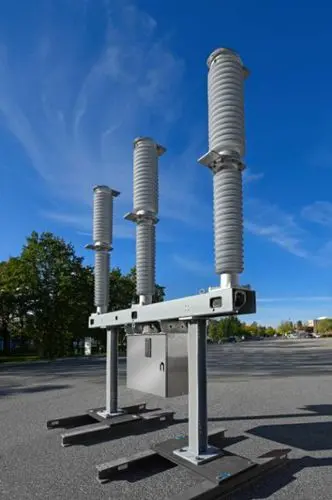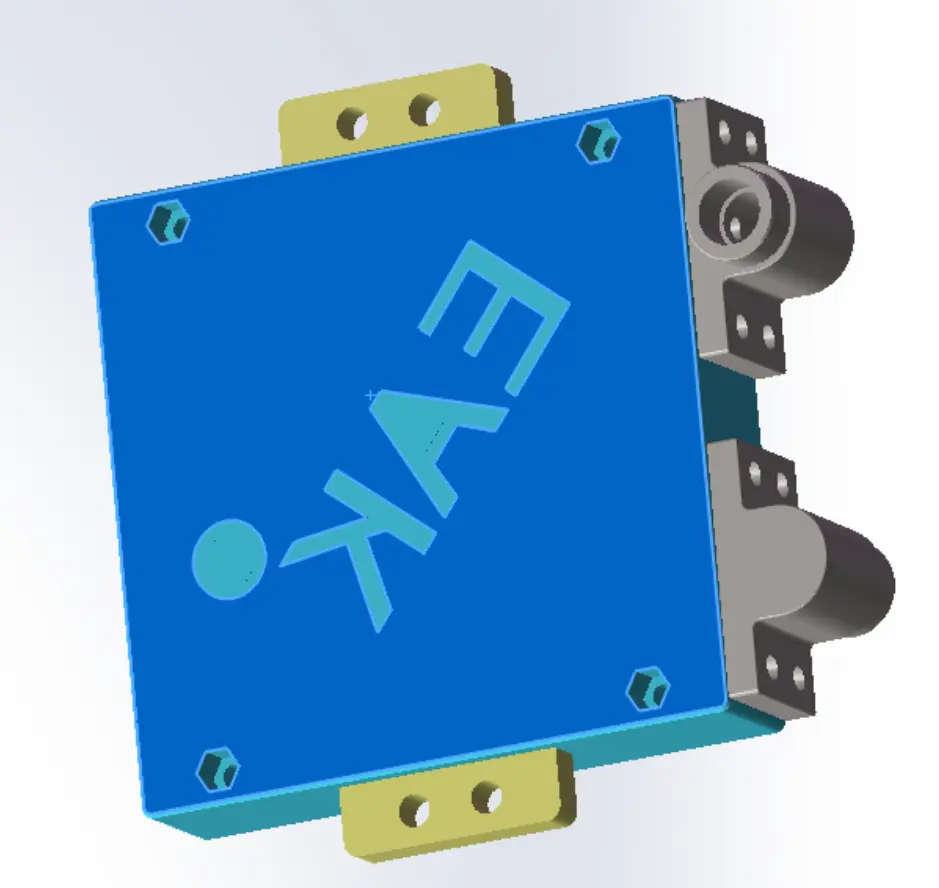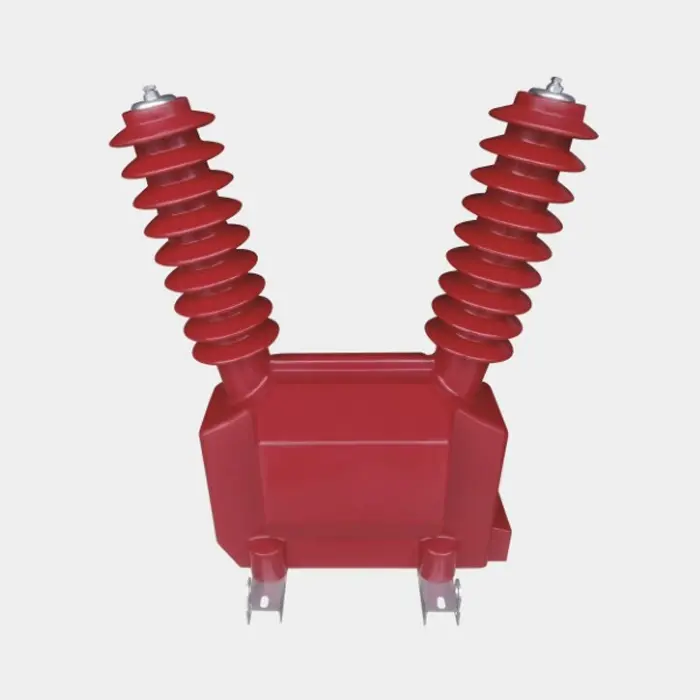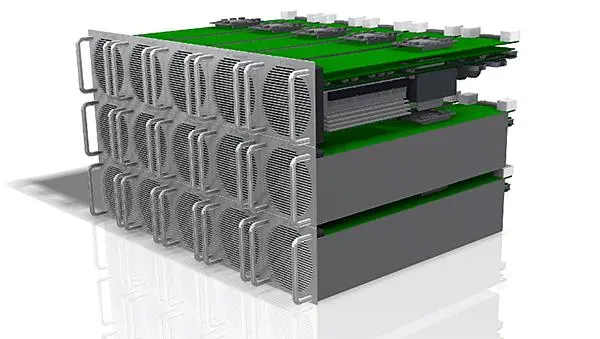
Maximizing Efficiency with Water-Cooled Closing Resistors in High-Voltage Circuit Breakers In the realm of high-voltage electrical systems, ensuring reliability and safety is paramount. One critical component that plays a vital role in the operation of high-voltage circuit breakers is the water-cooled closing resistor. This innovative technology not only enhances performance but also optimizes thermal management, making it an indispensable asset in modern electrical infrastructure. Understanding Water-Cooled Closing Resistors Water-cooled closing resistors are designed to handle significant electrical loads while dissipating heat effectively. When a circuit breaker operates, it generates substantial heat due to the high currents involved, often reaching levels of 10,000 Amperes (A) or more. The closing resistor absorbs this energy during the closing operation, ensuring a controlled and smooth transition to the closed state. Voltage and Power Ratings Typically, water-cooled closing resistors are rated for high voltage applications, often in the range of 72.5 kV to 800 kV. The power ratings can vary significantly based on design and application, with resistors capable of handling power levels exceeding 20 megawatts (MW). This capability is crucial in preventing overheating and ensuring the longevity of the circuit breaker. Heat Dissipation Efficiency One of the standout features of water-cooled closing resistors is their exceptional heat dissipation efficiency. With the ability to cool down to ambient temperatures, these systems can dissipate heat at rates exceeding 1,000 kilowatts (kW) per unit. This efficient cooling mechanism minimizes the risk of thermal damage to the circuit breaker components, thereby enhancing operational reliability.
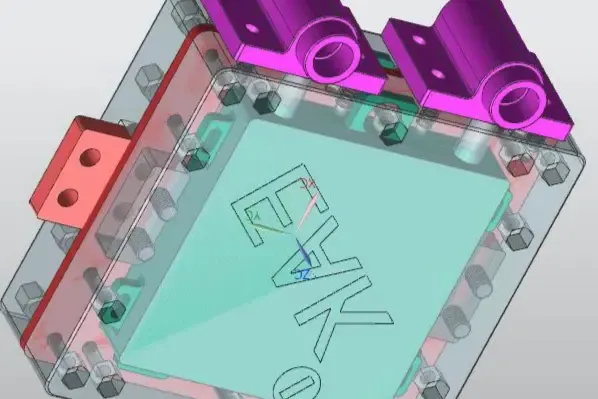 Water-Cooled Closing Resistors
Integration and Maintenance The integration of water-cooled closing resistors into high-voltage circuit breakers is straightforward, with many designs incorporating them into existing systems without significant modifications. Regular maintenance is essential, primarily focusing on the water circulation system to ensure optimal performance. By maintaining proper water flow and temperature, operators can guarantee that the resistors function effectively, even under extreme conditions. Conclusion In summary, water-cooled closing resistors are an essential component in high-voltage circuit breakers, providing unparalleled performance in voltage handling, power absorption, and heat dissipation. With their ability to manage extreme electrical loads and maintain operational integrity, these resistors are a testament to the advancements in electrical engineering, ensuring safe and efficient operation in high-voltage environments. Investing in this technology not only enhances the reliability of electrical systems but also contributes to the overall efficiency of power distribution networks.