Abstract This article explores the application of thick film resistors in semiconductor equipment, specifically focusing on a device designed for high-performance requirements. The specifications of the resistor include a 500k AC input, an AC resistance of 0.3Ω, a pulse peak current of 3100A, an effective current of 127A, an average output power of 10kW, and a low inductance (<50nH). The resistance utilizes a ceramic aluminum nitride (AlN) substrate with PinFin cooling channels, ensuring reliable operation in demanding conditions.
1. Introduction In the field of semiconductor production, precise control of power dissipation is crucial for optimal device performance. High-power thick film resistors play a vital role in enabling semiconductor equipment to handle large currents and manage heat effectively. This case study highlights the design and performance characteristics of a high-power thick film resistor tailored for such applications.
2. Specifications and Features The resistor under consideration has been developed with several key specifications aimed at providing reliable performance in semiconductor applications:
AC Input Voltage:500kV AC Resistance:0.3Ω Pulse Peak Current:3100A Effective Current:127A Average Output Power:10kW Inductance: <50nH Material: Thick film technology on aluminum nitride (AlN) substrate Cooling Design:PinFin water cooling channels
These specifications highlight the resistor’s ability to withstand high currents and dissipate heat efficiently, making it suitable for the high-demand environment of semiconductor processing.
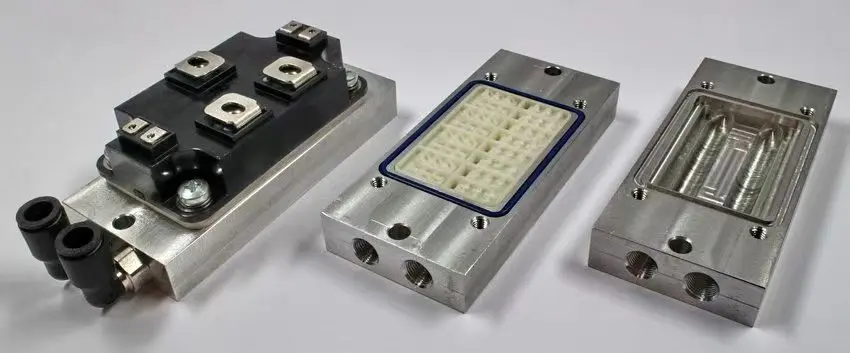
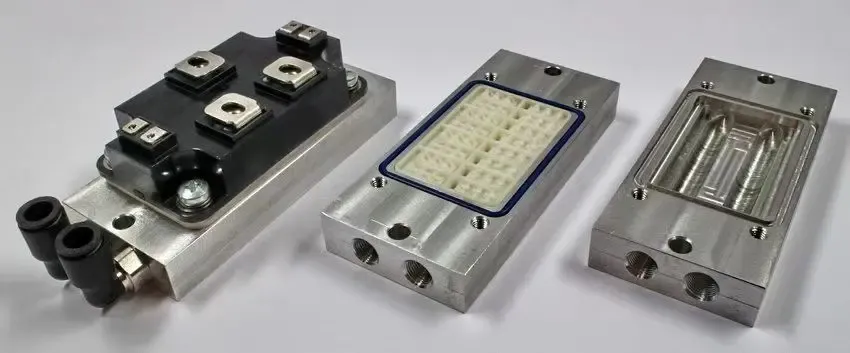
3. Cooling Mechanism The implementation of a PinFin cooling channel is crucial for this resistor. This innovative design enhances the cooling efficiency, allowing the device to maintain optimal operating temperatures even under maximum load conditions. The integrated water cooling system enables rapid heat removal, significantly extending the lifespan of the resistor and maintaining performance stability.
4. Low Inductance Design With an inductance of less than 50nH, the resistor minimizes unwanted inductive effects that can impact the performance of high-frequency semiconductor devices. This low inductance feature is essential in ensuring that the resistor can be employed in applications where switching speeds are critical, preventing delays in signal transmission and enhancing overall system responsiveness.
5. Application in Semiconductor Devices The high-power thick film resistor is employed in various semiconductor equipment applications such as:
Power Supply Regulation: Maintaining stable output during high loads. Dynamic Load Testing:Replicating real operational conditions during device testing. Energy Dissipation in Switching Circuits: Managing energy flow in high-speed circuits.
These applications underscore the versatility and reliability of the resistor in assisting semiconductor devices to function effectively, thereby enhancing overall production efficiency.
6. Conclusion The high-power thick film resistor, characterized by its excellent thermal management capabilities and low inductance, is a crucial component in semiconductor equipment. With its specifications tailored for high-current and high-voltage applications, it ensures reliable performance and durability. Such components are vital in pushing the boundaries of semiconductor technology, enabling advancements in various electronic devices.
In summary, as semiconductor technology continues to evolve, the role of robust and efficient components like Water Cooled Thick Film Resistors will remain integral to the industry’s progress.