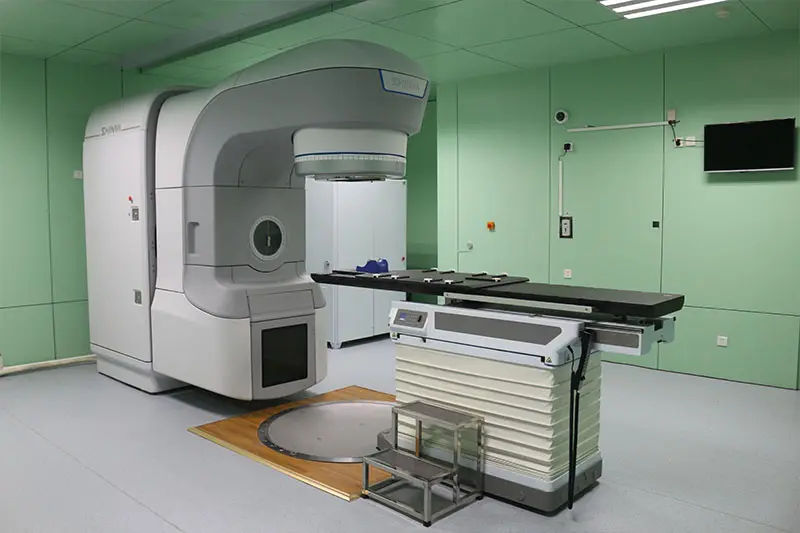
Medical linear accelerators (LINACs) are essential tools in modern radiation therapy, delivering high-energy X-rays or electron beams to destroy cancerous cells with precision. Behind the scenes, these advanced machines rely on a variety of high-performance components to ensure accurate dose delivery, system stability, and patient safety. One such critical component is the ceramic resistor , particularly non-inductive ceramic resistors , which play a vital role in power management, voltage regulation, and pulse control within the LINAC system.
Why Ceramic Resistors Are Crucial in LINACs
Linear accelerators operate under extreme electrical conditions, requiring components that can handle high voltages, rapid energy pulses, and continuous thermal stress. Ceramic resistors are uniquely suited for this environment due to their:
- High dielectric strength
- Excellent thermal conductivity
- Low inductance
- Superior energy absorption capabilities
These properties make ceramic resistors ideal for use in pulse modulators , voltage dividers , snubber circuits , and dummy loads —key subsystems in medical LINACs.
1. Pulse Modulator Circuits
In a LINAC, the pulse modulator generates short bursts of high-voltage electricity to drive the magnetron or klystron, which produces the microwave energy used to accelerate electrons. These pulses can reach thousands of volts and must be precisely controlled to maintain beam stability.
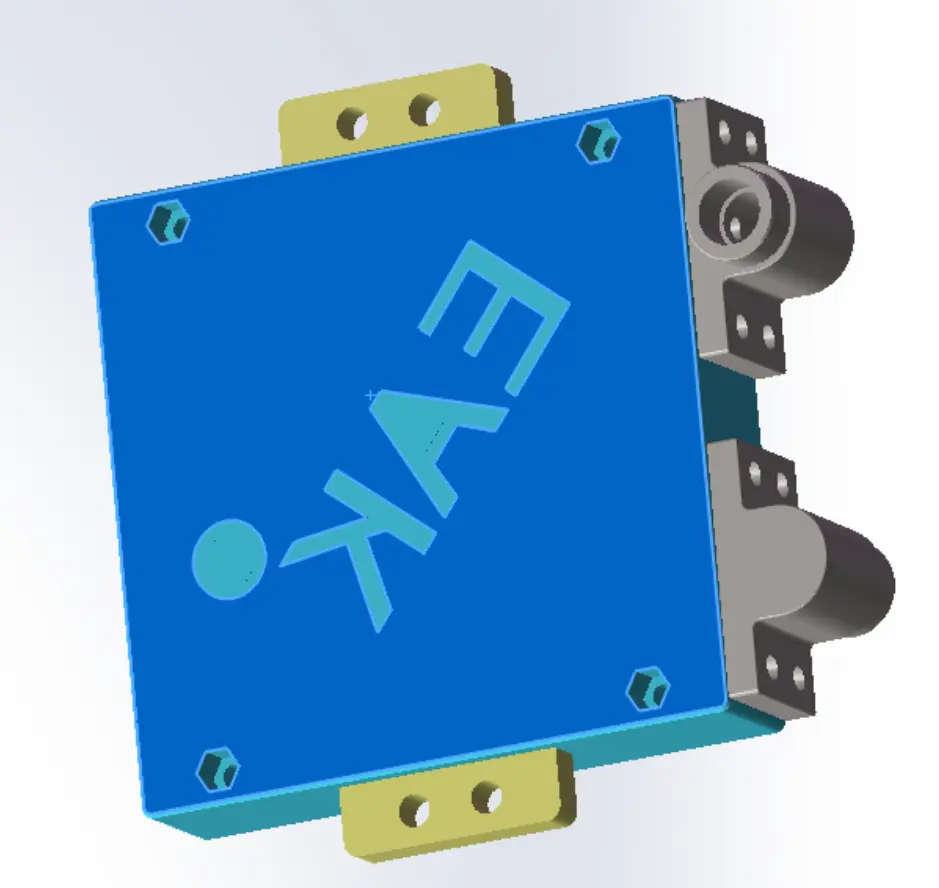
Ceramic resistors, especially those designed for high-energy applications like the EAK 380 Series Non-Inductive Ceramic Resistors , are used in the modulator discharge circuit to safely absorb and dissipate excess energy after each pulse. Their non-inductive design ensures minimal signal distortion, allowing for clean, repeatable pulses critical to consistent beam output.
2. Voltage Divider Networks
Accurate voltage measurement is essential in LINAC systems to monitor and regulate the high voltages applied to the accelerating waveguide. Ceramic resistors are often used in high-voltage divider networks , where they help scale down extremely high voltages to levels suitable for monitoring electronics.
Because of their stable resistance values over temperature and low temperature coefficients , ceramic resistors provide reliable feedback signals that contribute to the overall accuracy of the treatment delivery system.
3. Snubber and Protection Circuits
Switching high-power circuits in a LINAC can generate damaging voltage spikes and electromagnetic interference (EMI). To suppress these transients, snubber circuits using ceramic resistors are employed. These circuits protect sensitive components like thyristors, relays, and capacitors from voltage surges.
The inherently non-inductive nature of ceramic slab resistors allows them to respond rapidly to transient events, ensuring long-term reliability and minimizing downtime in critical treatment equipment.
4. Dummy Load Applications
During testing or calibration, LINAC systems require dummy loads to absorb microwave energy without radiating it into the environment. Ceramic resistors with high power dissipation capabilities, such as those found in bulk slab configurations, are used to construct these RF dummy loads .
They effectively convert RF energy into heat while maintaining structural integrity even under prolonged operation at elevated temperatures—up to 350°C in some designs.
Case Study: The CPS05-12R-10% Pulse Resistor
A real-world example of ceramic resistor application in medical equipment is the CPS05-12R-10% pulse resistor , manufactured by Shenzhen Songhao Electronics Co., Ltd. This resistor is specifically engineered for high-pulse environments and offers:
- Resistance : 12Ω
- Tolerance : ±10%
- Average Power : 20W
- Maximum Energy Absorption : 2000J per pulse
- Operating Temperature : Up to 250°C
- Dielectric Strength : ≥20kV
Such specifications make it well-suited for use in pulse discharge circuits within LINAC systems. Its ability to withstand repeated high-energy discharges ensures long-term performance and contributes to the machine’s overall reliability.
Advantages of Using Ceramic Resistors in Medical Equipment
| Feature | Benefit in LINAC Systems |
|---|---|
| Non-Inductive Design | Enables fast response and stable pulse shaping |
| High Energy Absorption | Handles repetitive high-voltage pulses safely |
| Thermal Stability | Maintains performance under high ambient temperatures |
| Longevity & Reliability | Reduces maintenance and replacement frequency |
| Customizable Packaging | Adaptable to compact or modular LINAC designs |
Conclusion
As medical technology advances, the demand for more precise and efficient cancer treatments continues to grow. In this context, the ceramic resistor plays an indispensable role in ensuring that linear accelerators function reliably and accurately. From managing high-voltage pulses to protecting delicate electronics and enabling safe calibration, ceramic resistors are foundational components in the design and operation of modern radiotherapy systems.
Whether it’s the EAK 380 Series or specialized models like the CPS05-12R-10% , choosing the right ceramic resistor is crucial for achieving optimal performance in life-saving medical devices. As healthcare providers continue to push the boundaries of precision oncology, high-quality passive components like ceramic resistors will remain at the heart of innovation.