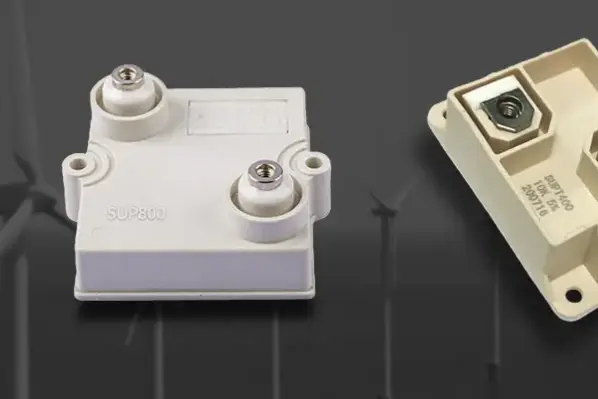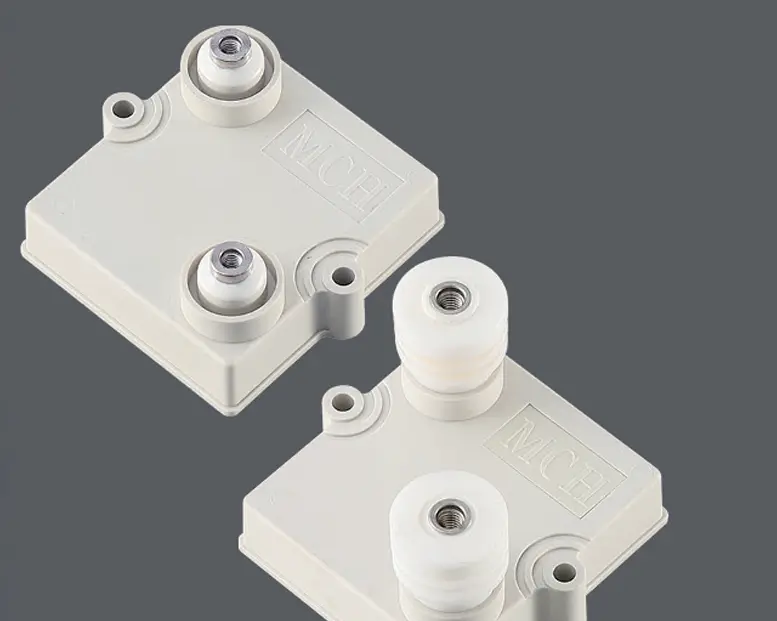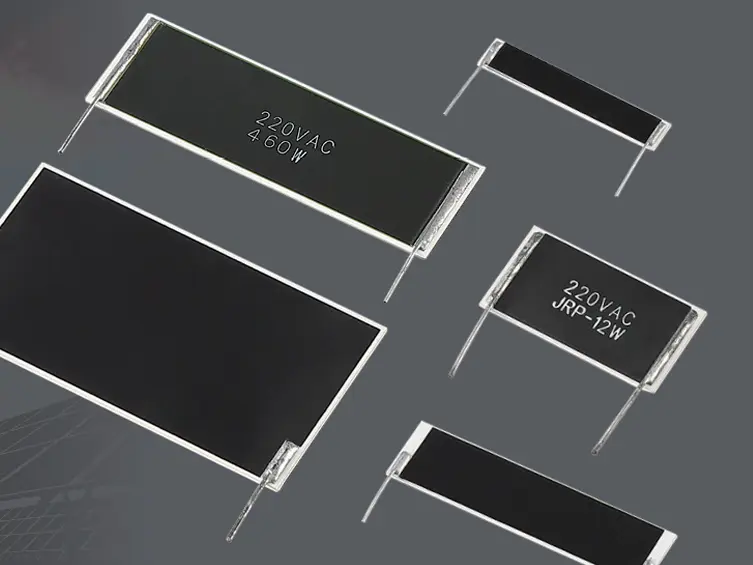
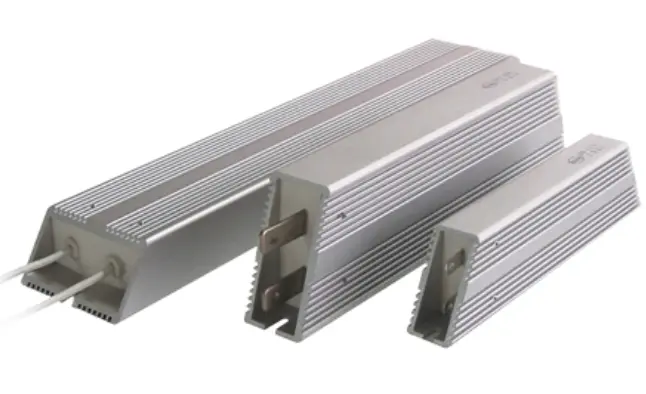
In the world of industrial automation and electric motor control, efficient energy management is critical. One of the most effective components for handling excess energy during motor deceleration or capacitor discharge is the high pulse braking resistor .
These resistors play a vital role in dynamic braking systems by safely dissipating surplus electrical energy as heat. Whether you’re stopping a high-speed motor or managing the charge and discharge cycles of large capacitors, high pulse braking resistors offer a reliable and robust solution.
What Is a High Pulse Braking Resistor?
A high pulse braking resistor is specifically designed to handle short bursts of high-energy loads. Unlike standard resistors that are built for continuous operation at lower power levels, these resistors can absorb and dissipate large amounts of energy in a very short time without sustaining damage.
They are commonly used in applications such as:
- Electric motor braking circuits
- Capacitor charging and discharging systems
- Regenerative braking in electric vehicles
- Industrial machinery with variable frequency drives (VFDs)
How Do They Work?
When an electric motor is decelerated rapidly, it acts as a generator, producing back electromotive force (EMF) that pushes energy back into the drive system. If this energy isn’t managed properly, it can cause voltage spikes that may damage sensitive electronics.
A high pulse braking resistor provides a safe path for this energy to be converted into heat and dissipated into the surrounding environment. This prevents overvoltage conditions and protects the system from potential failures.
Key Features and Benefits
- High Power Handling : Rated up to 1000W, these resistors can manage intense energy pulses.
- Thermal Stability : Engineered to withstand rapid temperature fluctuations.
- Compact Design : Despite their high power capabilities, many models are designed for space-constrained environments.
- Durability : Built to last in harsh industrial settings with minimal maintenance.
- Versatility : Compatible with a wide range of motor drives and capacitor banks.
Applications Across Industries
From manufacturing plants to renewable energy systems, high pulse braking resistors are indispensable in numerous sectors:
- Manufacturing : Used in conveyor systems, cranes, and elevators to stop heavy loads quickly and safely.
- Renewables : Help manage energy surges in wind turbines and solar inverters.
- Transportation : Integrated into regenerative braking systems for trains and electric vehicles.
- Automation : Ensure smooth operation of robotics and CNC machines.
Choosing the Right High Pulse Braking Resistor
Selecting the appropriate resistor depends on several factors:
- Peak Power Requirements
- Pulse Duration and Frequency
- Ambient Operating Conditions
- Mounting and Cooling Options
Working with a trusted supplier ensures you get a resistor tailored to your application’s unique demands.
Final Thoughts
As industries continue to evolve toward more energy-efficient and automated systems, the importance of high pulse braking resistors will only grow. Their ability to safely manage transient energy makes them a cornerstone of modern motor control and capacitor management systems.
If you’re looking to improve the performance and longevity of your electrical systems, investing in quality high pulse braking resistors is a smart and necessary decision.