In the realm of electronic engineering, the concept of the demagnetizing resistor plays a crucial role in enhancing the performance and longevity of various devices. This component is primarily used in applications involving inductors and transformers, where magnetic fields can become saturated after prolonged use. A demagnetizing resistor serves to dissipate energy and effectively reduce residual magnetism, thereby facilitating a return to normal operating conditions. This process not only prolongs the lifespan of electronic components but also ensures optimal performance, reducing the risk of operational failure due to magnetic interference.
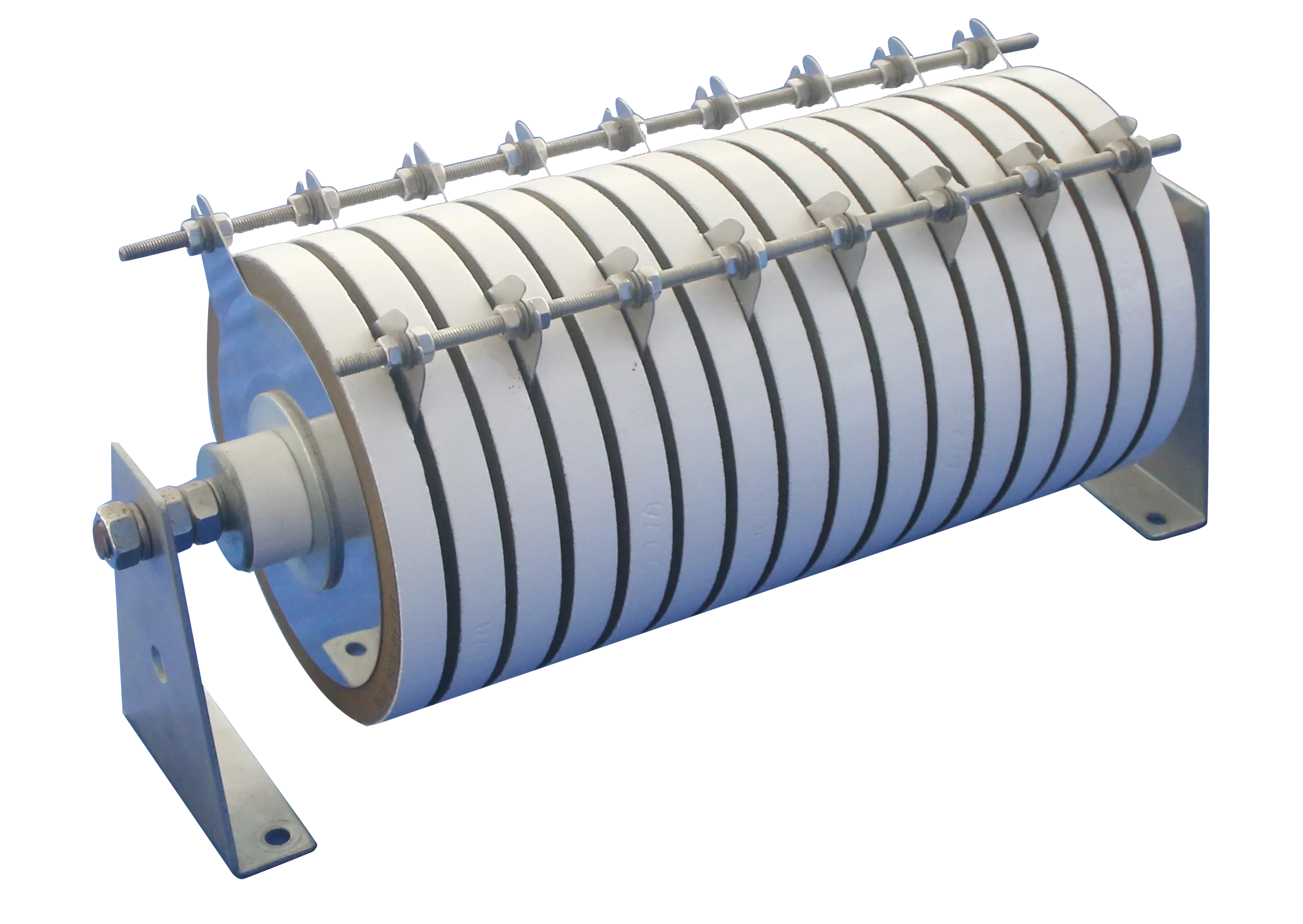
As devices continue to become more intricate and interdependent, understanding and employing tools like demagnetizing resistors becomes increasingly important. They allow engineers to manage magnetism effectively, especially in sensitive applications that require precise control over electrical currents and fields. The strategic integration of such resistors can lead to improvements in system efficiency and reliability, underscoring their value in modern technology.
This article aims to explore the principles Behind demagnetizing resistors lies a critical component in various electrical and electronic applications, where the intent is to alleviate the accumulation of unwanted magnetism that can interfere with the proper functioning of devices. These resistors serve as a necessary filter or buffer, allowing current to flow in a controlled manner that mitigates the effects of residual magnetism. Their role is often understated; however, they influence performance by ensuring that energy loss is minimized and stability is maintained. Designed with specific resistance values and power ratings, demagnetizing resistors are pivotal in enhancing the longevity and reliability of circuits in devices such as transformers, electric motors, and inductive sensors.Their applications across various industries, and guidelines for their implementation in electronic designs. Through this discussion, we will gain insights into the significance of these components within both theoretical frameworks and practical scenarios.