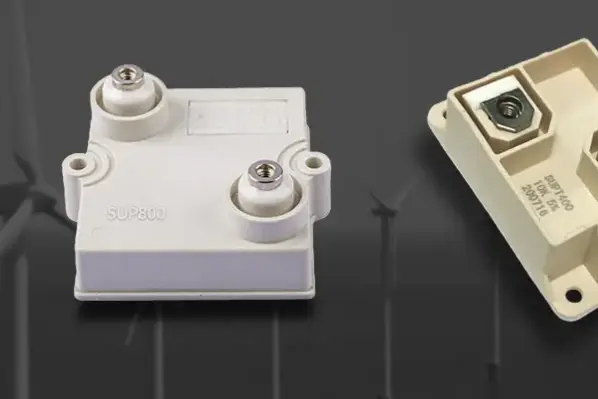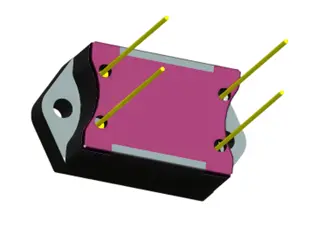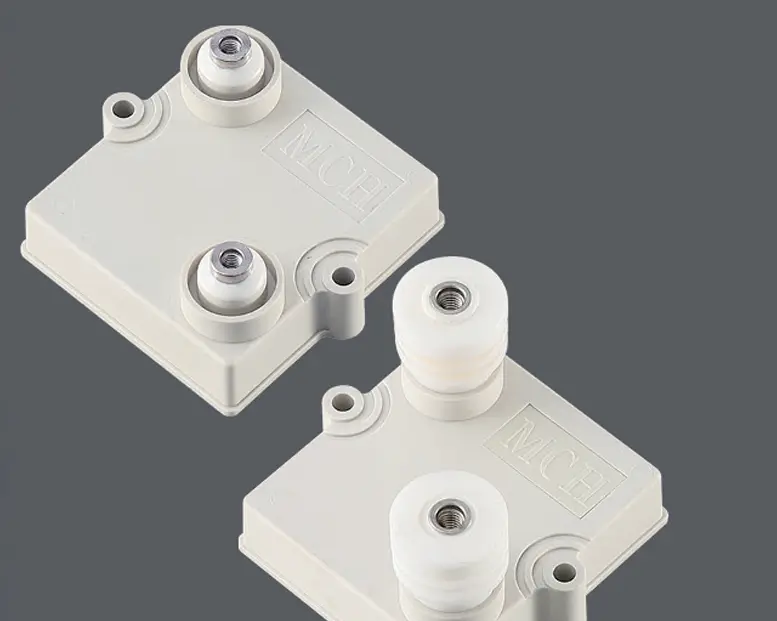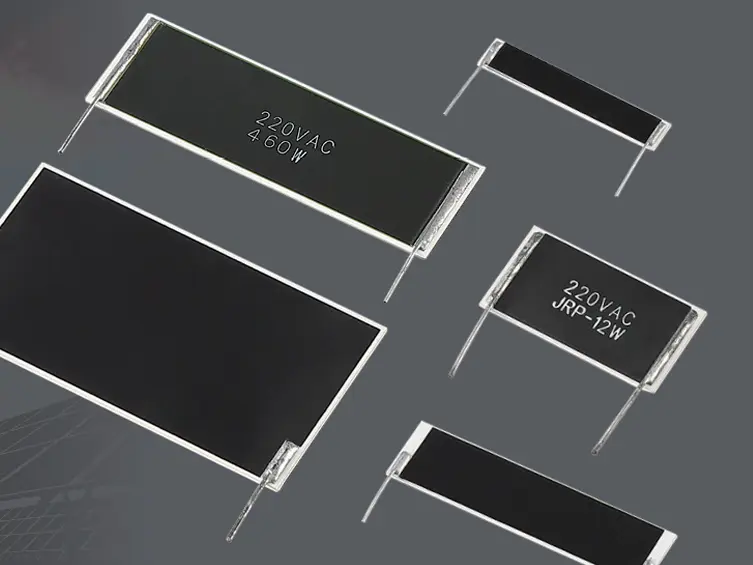
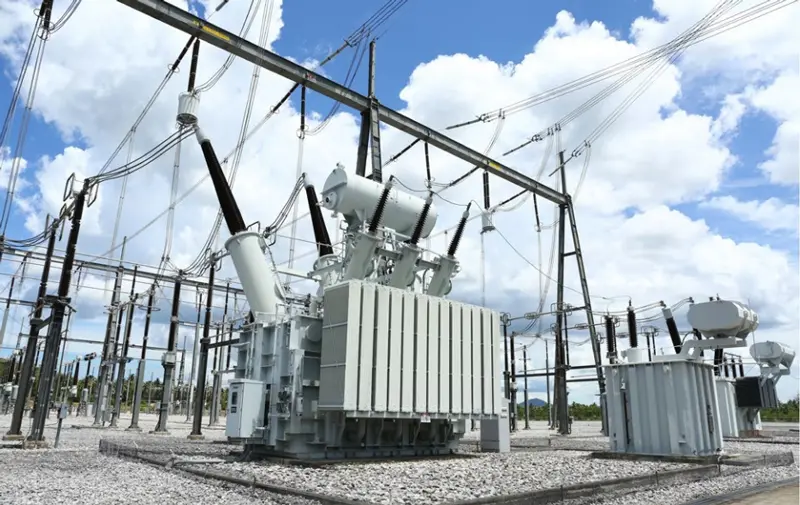
In the realm of modern power conversion technology, solid - state transformers (SSTs) have emerged as a revolutionary solution, offering enhanced efficiency, reliability, and flexibility. Among the key components that ensure the optimal performance of SSTs are various types of resistors, especially water - cooled resistors, absorption resistors / buffer resistors, current - sharing resistors, pre - charging resistors, and discharging resistors. Each of these resistors plays a crucial and distinct role in the intricate operation of solid - state transformers.
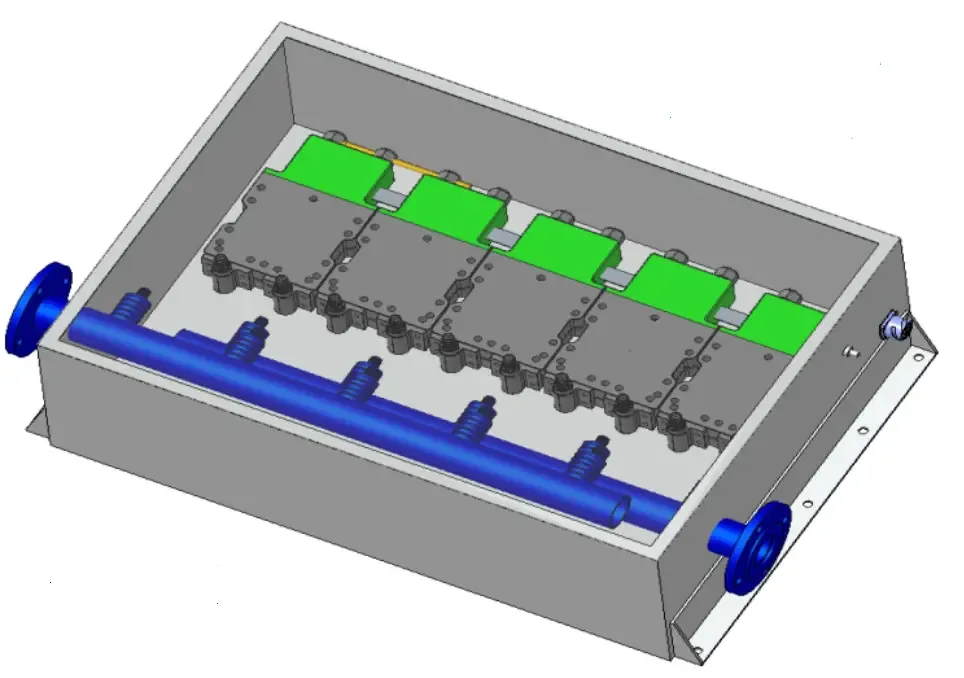 Water Cooled Resistors
Water - cooled resistors are at the forefront of enabling high - power operation in SSTs. Given the high - energy conversion processes within SSTs, a significant amount of heat is generated. Water - cooled resistors, with their excellent heat dissipation capabilities due to the continuous flow of water, can effectively manage this heat. The water, acting as a highly efficient cooling medium, absorbs the heat from the resistors and carries it away, preventing overheating. This is essential as overheating can lead to performance degradation and potential failure of the SST. By maintaining a stable operating temperature, water - cooled resistors ensure the long - term reliability and durability of the SST, allowing it to handle high - power loads with ease.
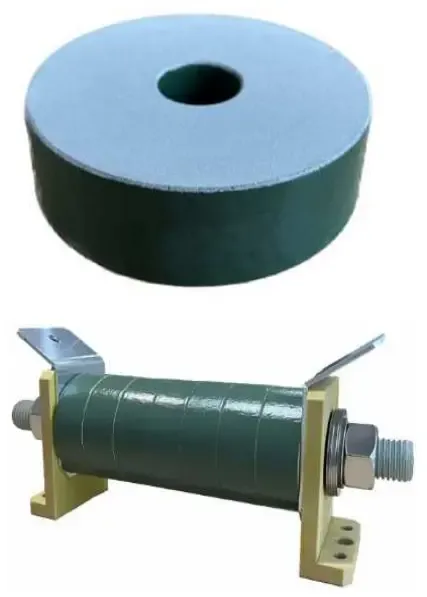
Absorption resistors, also known as buffer resistors, are vital for mitigating electrical transients and voltage spikes in SSTs. During the switching operations within the SST’s power electronics circuits, sudden changes in current and voltage occur, which can generate harmful electrical noise and transients. Absorption resistors absorb this excess energy, converting it into heat and dissipating it safely. This not only protects sensitive components within the SST from potential damage caused by these electrical surges but also helps in stabilizing the output voltage, ensuring a smooth and consistent power supply.
Current - sharing resistors play a critical role in parallel - connected power modules of SSTs. In such configurations, it is essential to distribute the current evenly among the modules to prevent any single module from being overloaded. Current - sharing resistors are strategically placed to balance the current flow, ensuring that each module operates within its rated capacity. This improves the overall efficiency of the SST and extends the lifespan of the power modules, as they are not subjected to excessive stress due to uneven current distribution.

Pre - charging resistors are indispensable during the startup process of SSTs. When the SST is initially powered on, the capacitors within the system need to be charged gradually. Pre - charging resistors limit the inrush current during this charging process, preventing a sudden and large - magnitude current spike that could damage the capacitors or other components. By allowing the capacitors to charge in a controlled manner, pre - charging resistors ensure a safe and stable startup of the SST, reducing the risk of electrical failures and enhancing the overall reliability of the system.
Discharging resistors, on the other hand, are crucial for safety purposes when the SST is shut down. After the SST is powered off, the capacitors may still hold a significant amount of charge. Discharging resistors provide a path for this stored energy to be safely dissipated, reducing the voltage across the capacitors to a safe level. This protects maintenance personnel from potential electric shocks when working on the SST, as well as prevents any unexpected electrical events that could occur due to the residual charge in the capacitors.
In conclusion, water - cooled resistors, absorption resistors / buffer resistors, current - sharing resistors, pre - charging resistors, and discharging resistors are all integral parts of solid - state transformers. Each type of resistor contributes uniquely to the efficient, reliable, and safe operation of SSTs. Their combined functions ensure that solid - state transformers can meet the growing demands of modern power systems, making them a key technology for the future of electrical power conversion. Keywords: water - cooled resistors, absorption resistors, buffer resistors, current - sharing resistors, pre - charging resistors, discharging resistors