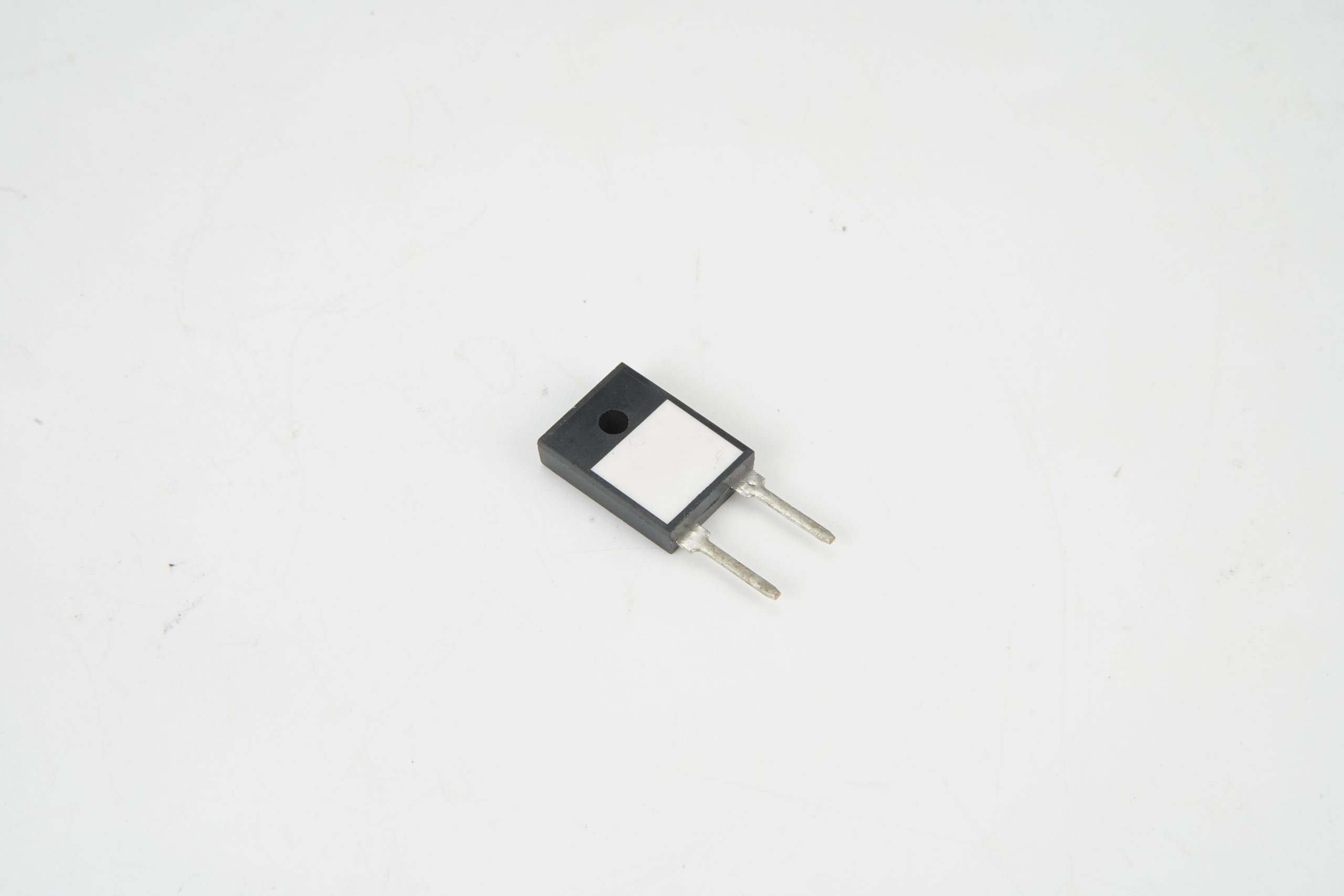
What Are Thick Film Resistors?
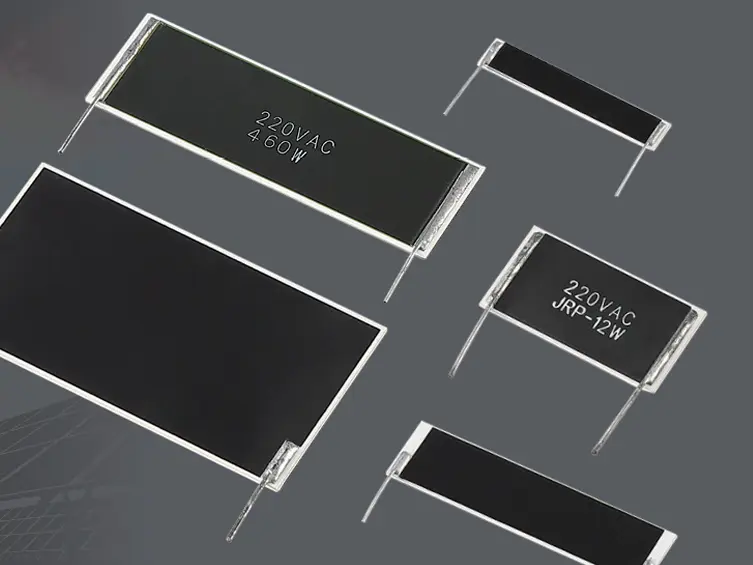
Thick film resistors are essential components in the electronics industry, playing a critical role in circuit functionality. These resistors are created through a screen-printing technique that applies a resistive material onto a substrate, which is typically made of ceramic. This method allows for precision in thickness, resulting in a wide range of resistance values that can be achieved.
Key Characteristics of Thick Film Resistors
One of the significant advantages of thick film resistors is their excellent thermal stability and reliability. They can operate well in harsh environments and have a high power rating compared to other types of resistors. Additionally, thick film resistors exhibit low noise levels, which is crucial in many electronic applications. Their compact size also makes them suitable for modern electronic devices where space is a premium.
Applications in Modern Electronics
Thick film resistors find applications across various sectors, including consumer electronics, automotive, and telecommunications. Due to their robustness, they are commonly used in printed circuit boards (PCBs), voltage dividers, and signal path management. Designers often choose thick film resistors over other types due to their cost-effectiveness and versatility in design implementations. Overall, their unique properties make them a preferred choice for many electronic applications.