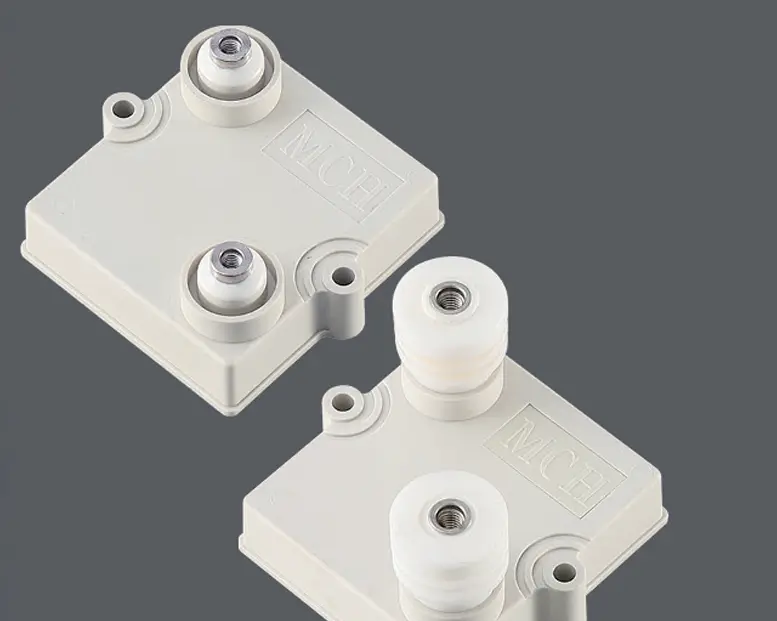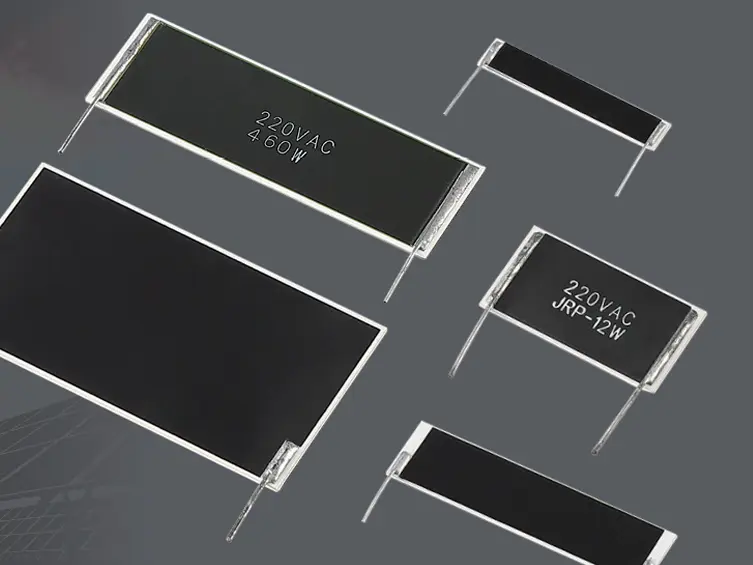

In the realm of electronic engineering, power resistors are indispensable components, particularly the TO-220, TO-247, and SOT-227 series. These resistors are widely acknowledged for their robust performance attributes and efficiency in thermal management. Their construction often incorporates thick film resistors, which afford a high degree of reliability and stability in demanding conditions. “Selecting the right power resistor is pivotal; it not only affects the circuit’s overall performance but also ensures longevity in its application,” advises industry experts. These series of power resistors are specifically designed to dissipate heat effectively, aiding in preventing thermal runaway and enhancing the performance runtime of various electronic applications. Versatility is another significant advantage; whether used in power supplies, automotive electronics, or industrial controls, these resistors lend themselves to a multitude of applications while ensuring optimal electrical characteristics. When considering components for design needs, engineers should weigh factors such as resistance values, power ratings, and thermal characteristics to achieve not just functionality but also efficiency in operation. To ensure peak performance and reliability: “> Prioritize thermal management strategies to align with your circuit’s demands.”
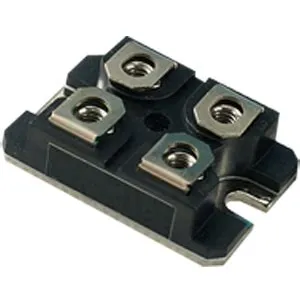
Power Resistors: An Overview of TO-220, TO-247, and SOT-227 Series
Power resistors are integral components in electronic circuits, particularly known for their ability to dissipate significant amounts of energy while maintaining thermal stability. The TO-220, TO-247, and SOT-227 series are prominent configurations that exemplify the advancement in electrical component design, enabling satisfactory thermal management and versatile functionality. These packages are designed with efficiency in mind; their geometric design serves to enhance heat dissipation by maximizing surface area contact with heatsinks.
A salient feature of these power resistors is their composition, often incorporating thick film resistors that provide robustness and stability over a range of operating conditions. This technology not only ensures precision but also enhances reliability in high-stress environments. Each series offers specific attributes: the TO-220 is well-suited for compact designs, while the TO-247 excels in applications requiring higher power dissipation due to its larger size. The SOT-227 combines the benefits of both designs, offering a dual advantage of size efficiency with high power handling capabilities.
The choice between these power resistor configurations hinges on the specific requirements of an application, such as space constraints and thermal performance targets. The integration of thick film technology within these units promotes enhanced durability and precise performance metrics essential for modern electronic designs. Hence, understanding the implications of each series supports optimized component selection and overall circuit efficacy.
Thermal Management Techniques for Efficient Power Resistor Design
Effective thermal management is paramount in the design of power resistors, particularly within the TO-220, TO-247, and SOT-227 series. This significance arises from the necessity to mitigate heat buildup that can adversely affect performance and reliability. A robust thermal management approach involves optimizing the physical layout of these components to maximize airflow and incorporate heat sinks where applicable. The implementation of thick film resistors is notably beneficial in this context, as their substrate materials allow for enhanced heat dissipation characteristics compared to traditional thin film alternatives. Additionally, the careful selection of bonding materials and encapsulation techniques further aids in thermal transfer efficiency. It is essential to consider thermal resistance values during design stages to ensure that operational temperatures remain within safe limits under typical load conditions. By integrating these advanced thermal management techniques, designers can enhance the longevity and efficiency of power resistors, ensuring they meet or exceed operational expectations across diverse applications in modern electronics.
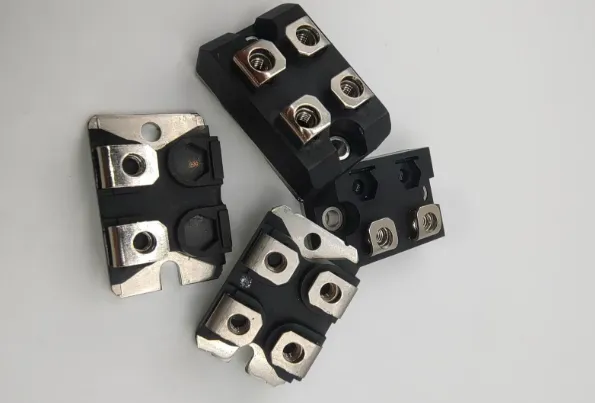
Applications and Benefits of Power Resistors in Modern Electronics
Power resistors, particularly those in the TO-220, TO-247, and SOT-227 series, play a pivotal role in a variety of electronic applications due to their exceptional thermal management capabilities. These resistors are essential components in power handling circuits, enabling efficient energy dissipation while minimizing thermal stress on other circuit elements. Their robust construction is ideal for high-voltage and high-current environments, making them indispensable in sectors such as automotive electronics, industrial machinery, and telecommunications. The integration of thick film resistors within these packages enhances their performance characteristics by providing superior stability and reliability under varying operational conditions. As electronic devices increasingly demand compact components without compromising on performance, the versatility offered by these resistor series becomes a significant contributing factor to innovative design solutions. By effectively managing heat dissipation and maintaining consistent resistance values, designers can avert potential failure points within circuits, thus ensuring longevity and operational efficiency in modern electronic systems.
Conclusion
In conclusion, the integration of power resistors, particularly those in the TO-220, TO-247, and SOT-227 series, epitomizes a crucial aspect of modern electronic design. Their ability to facilitate efficient thermal management significantly enhances circuit reliability and performance. These resistors, characterized by their robust construction and favorable thermal properties, are indispensable in applications that demand high precision and stability. Additionally, the use of thick film resistors within these series offers further benefits including superior noise performance and high power handling capabilities. As the landscape of electronic applications continues to evolve, the versatility of these power resistors ensures they remain at the forefront of innovative design solutions. Manufacturers and engineers tasked with selecting optimal components will find that understanding the nuanced benefits of each resistor series can lead to more effective collaborations between design ambitions and practical applications. Therefore, it becomes imperative for professionals in the field to diligently consider these attributes when embarking on new engineering projects to achieve optimal outcomes that are both efficient and reliable.
FAQs
What are power resistors in the TO-220, TO-247, and SOT-227 series? Power resistors in the TO-220, TO-247, and SOT-227 series are high-performance components specifically designed to handle significant power loads while maintaining thermal efficiency. These packages offer robust thermal management capabilities that contribute to their effectiveness in diverse electronic applications.
What are the primary advantages of using thick film resistors in these series? Thick film resistors provide several benefits, including excellent stability over a wide temperature range, high resistance accuracy, and performance reliability. Their construction allows for efficient heat dissipation, making them suitable for high-power applications commonly found in modern electronic designs.
How does thermal management impact the performance of power resistors? Thermal management plays a crucial role in the performance of power resistors. Effective thermal dissipation prevents overheating and ensures that components operate within their specified limits, enhancing longevity and reliability. Utilizing packages such as TO-220 and TO-247 optimizes this aspect significantly.
In what types of applications are these power resistors commonly used? These power resistors are extensively used in various applications including power supplies, automotive electronics, lighting controls, and industrial automation. Their versatility allows designers to integrate them into multiple circuits requiring efficient energy regulation.
What should be considered when choosing a power resistor from these series? When selecting a power resistor from the TO-220, TO-247, or SOT-227 series, it is essential to consider aspects such as resistance value, power rating, ambient temperature conditions, and thermal resistance. These factors will influence overall circuit performance and efficiency.
Are there specific design considerations for implementing thick film resistors? Yes, when incorporating thick film resistors into designs, engineers must take into account layout considerations such as spacing for heat dissipation and appropriate PCB materials that can withstand operational stresses from heat generated during use.