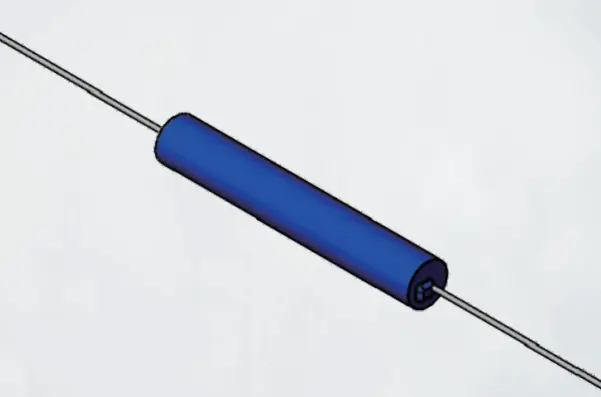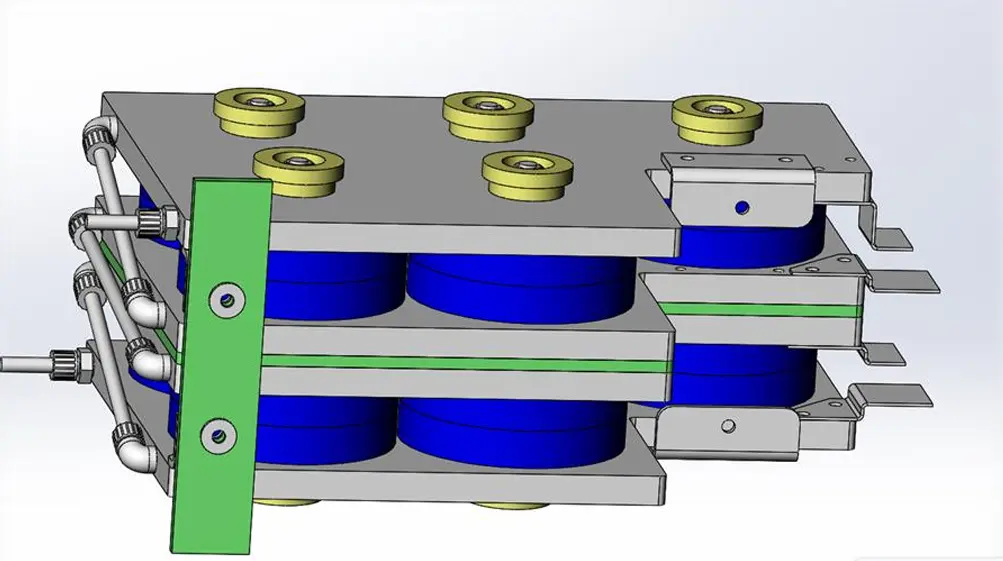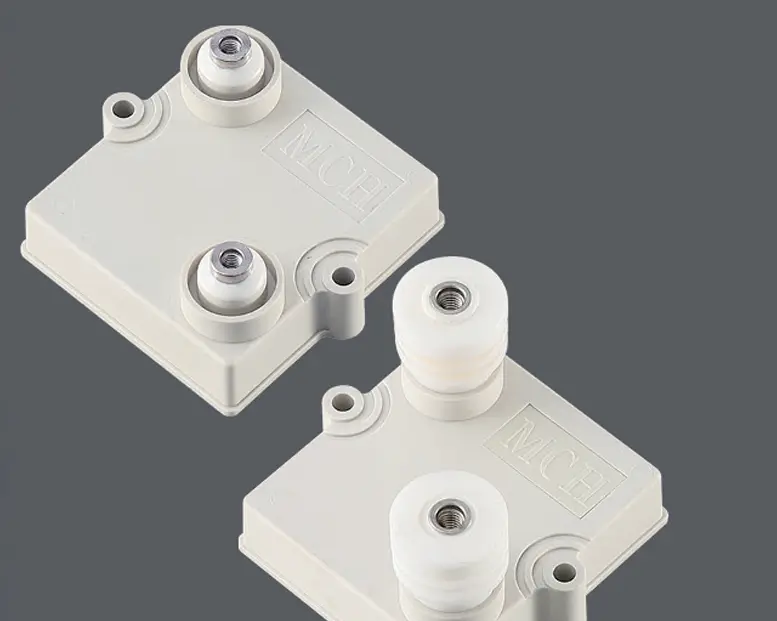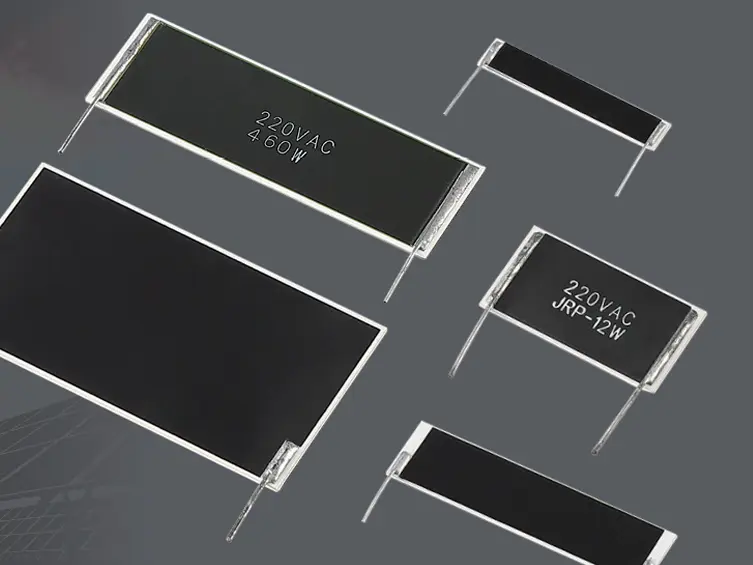
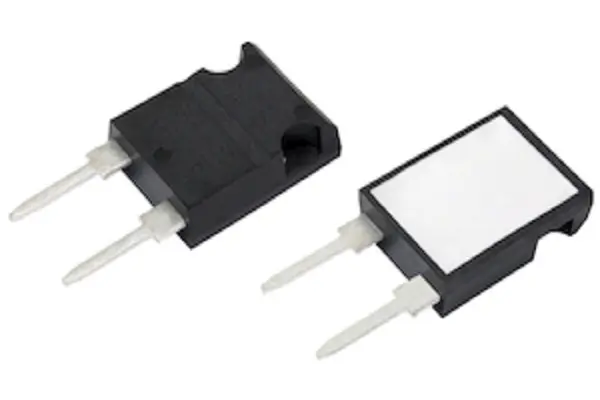
When it comes to reliable, high-efficiency circuit protection and power management in demanding industrial and power electronics systems, 30W–100W thick film power resistors stand out as a critical component. Engineered for durability, precision, and low parasitic effects, these resistors are ideal for use as voltage balancing resistors and discharge resistors in a wide range of high-voltage and high-frequency applications.
What Are 30W–100W Thick Film Power Resistors?
Thick film power resistors in the 30W to 100W range combine robust construction with advanced thick film technology to deliver stable performance under continuous high-power loads. Unlike traditional wirewound resistors, thick film types offer significantly lower parasitic inductance—typically under 40nH—making them exceptionally well-suited for fast-switching circuits such as those found in inverters, motor drives, and switch-mode power supplies (SMPS).
These resistors feature a wide resistance range from 0.1Ω to 1MΩ, enabling designers to select the exact value needed for precision current control, energy dissipation, or voltage division—without compromising on power handling or thermal stability.
Key Applications: Voltage Balancing & Discharge
1. Voltage Balancing Resistors
In high-voltage systems where multiple capacitors or semiconductor devices (like IGBTs or MOSFETs) are connected in series, slight mismatches in voltage distribution can lead to component failure. 30W–100W thick film resistors are commonly deployed as voltage balancing resistors across each element to ensure even voltage sharing. Their high stability, low drift, and excellent long-term reliability make them the preferred choice for DC-link circuits in renewable energy inverters, EV chargers, and industrial motor drives.
2. Discharge Resistors
Safety is paramount in power electronics. After system shutdown, stored energy in DC bus capacitors must be safely dissipated to protect both equipment and personnel. As discharge resistors, these thick film power resistors provide a controlled, rapid discharge path. Their ability to handle high pulse loads and dissipate energy efficiently—without significant degradation—ensures compliance with international safety standards (e.g., IEC 61800, UL 60950).
Technical Advantages
- Ultra-Low Inductance (<40nH): Minimizes ringing and EMI in high-frequency switching environments.
- Wide Resistance Range (0.1Ω – 1MΩ): Supports diverse design requirements from current sensing to high-impedance voltage division.
- Robust Thermal Performance: Designed for continuous operation at rated power with proper heatsinking.
- Compact & Mountable: Typically housed in TO-220 or similar flange-mount packages for easy PCB or heatsink integration.
- High Reliability: Thick film construction offers excellent resistance to thermal shock, humidity, and mechanical stress.
Ideal for Demanding Industries
These resistors are widely used in:
- Solar and wind power inverters
- Electric vehicle (EV) charging stations
- Industrial motor drives and servo systems
- Uninterruptible power supplies (UPS)
- High-voltage test equipment
- Medical imaging and power conversion systems
Why Choose Thick Film Over Alternatives?
Compared to wirewound or metal oxide resistors, thick film technology provides a superior balance of low inductance, high power density, and cost-effectiveness. While wirewound resistors often suffer from high parasitic inductance that disrupts high-speed switching, thick film resistors maintain signal integrity and system efficiency—critical in modern power electronics.
Conclusion
For engineers designing next-generation power systems, the 30W–100W thick film power resistor is more than just a passive component—it’s a cornerstone of safety, stability, and performance. Whether you’re implementing voltage balancing resistors in a multi-level inverter or integrating discharge resistors for fail-safe capacitor bleed-down, these resistors deliver unmatched reliability and electrical performance.