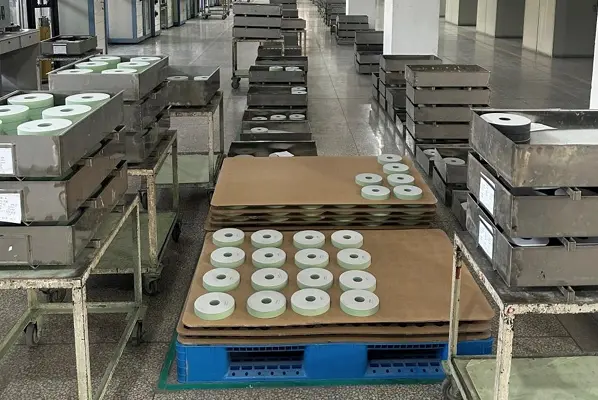
In modern power generation systems, especially those involving large-scale AC generators, managing residual energy during unexpected or scheduled shutdowns is critical. One of the most effective solutions for safely dissipating this stored energy is the implementation of a high-energy discharge resistor within the static excitation system’s discharge circuit.
This case involves a 50 MW natural gas-fired power plant located in Southeast Asia. The facility relies on several AC synchronous generators that operate continuously to supply electricity to the national grid. During a planned maintenance cycle, engineers observed recurring issues with overvoltage events when the generator was disconnected from the grid while still delivering power. This condition caused the field current to persist due to the inductance of the generator rotor, leading to dangerously high voltages across the excitation system.
To address this issue, the plant upgraded its static excitation system by integrating a crowbar protection circuit , which included two anti-parallel SCR thyristors and a high-energy discharge resistor designed specifically for rapid energy dissipation.
System Operation Overview
When the generator is disconnected from the grid, the static excitation system is turned off. However, the magnetic energy stored in the rotor winding cannot be instantly removed. This residual energy can lead to a sharp voltage rise, potentially damaging sensitive components like the Automatic Voltage Regulator (AVR) and rectifier bridges.
The crowbar circuit monitors the DC link voltage continuously. Once the voltage exceeds a predefined threshold—typically during sudden load rejection—the protective circuit activates. The SCRs fire, creating a low-resistance path that diverts the excess current into the high-energy resistor bank , effectively dissipating the stored magnetic energy as heat.
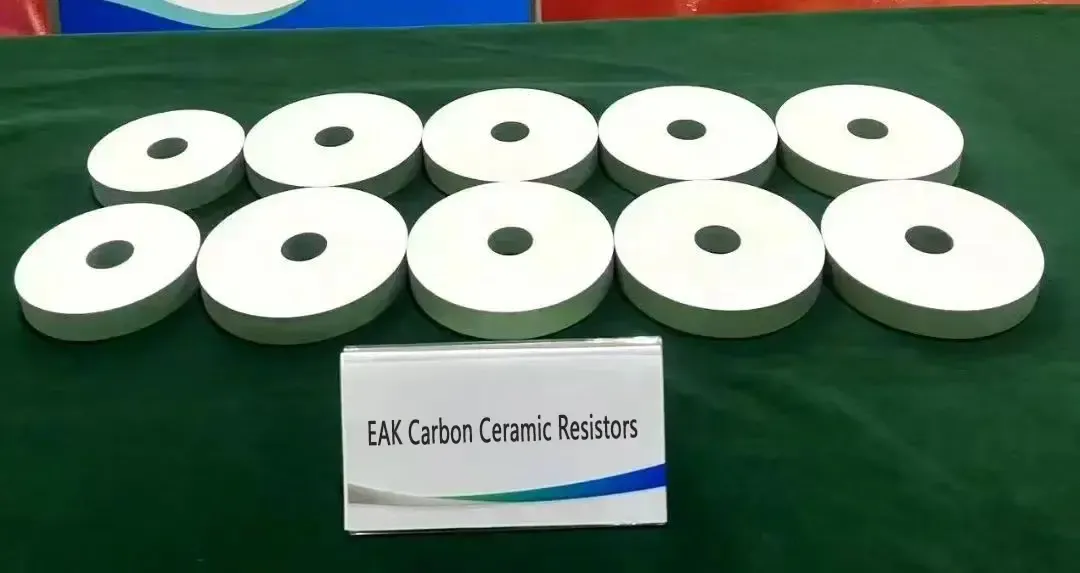 High-Energy Discharge Resistor
Selection of High-Energy Discharge Resistors
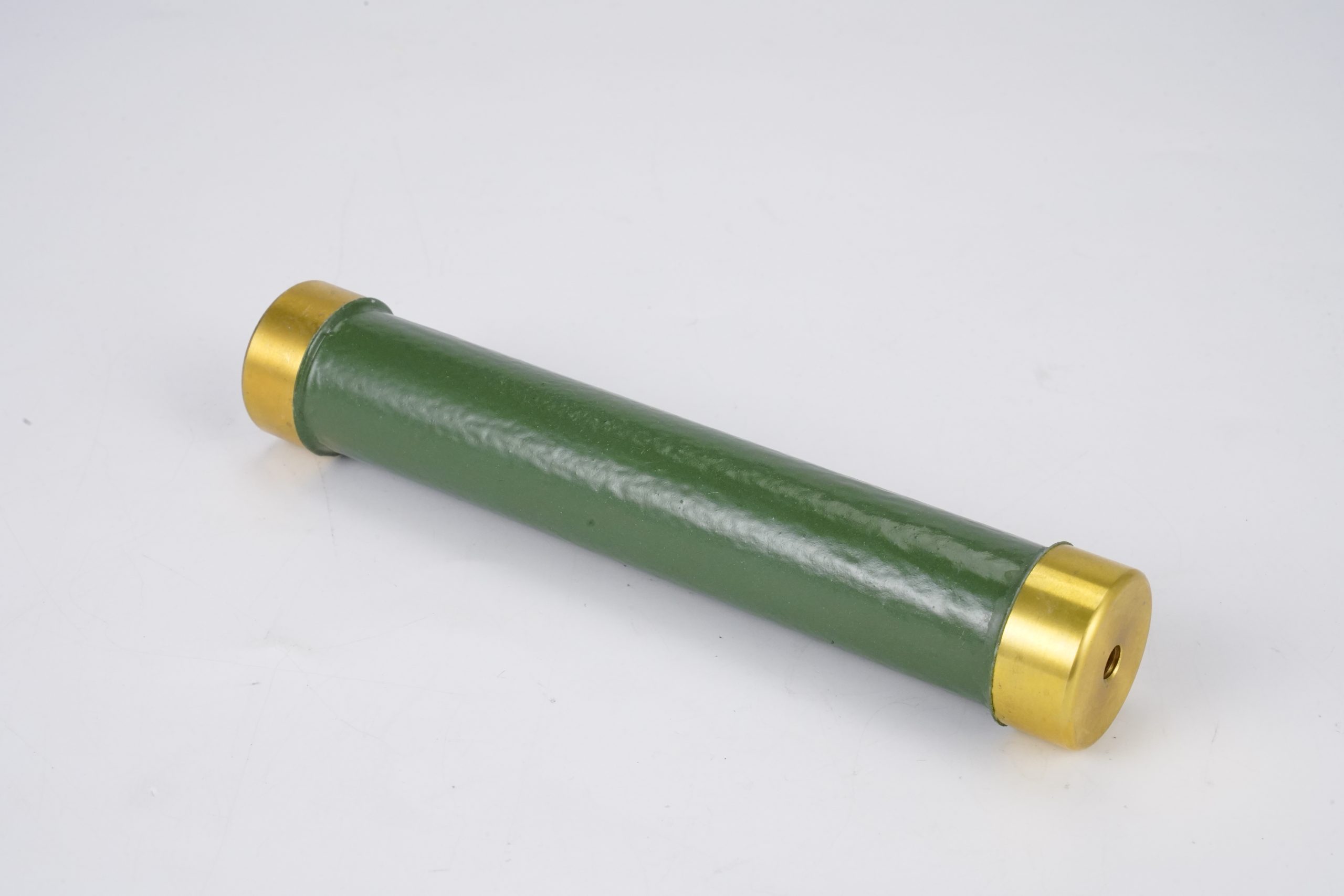
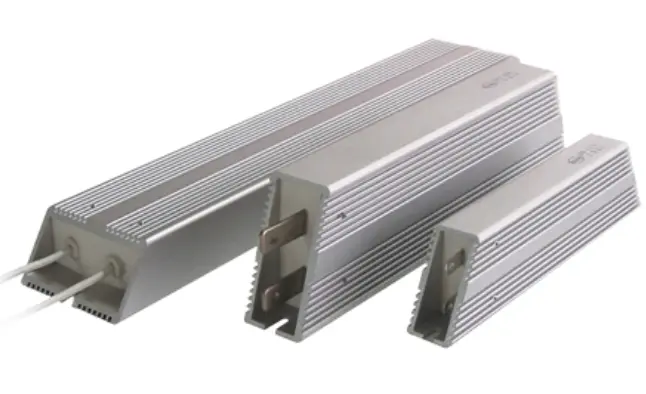
Engineers selected a non-inductive, wirewound high-energy resistor capable of absorbing up to 20 kJ of energy per event, with a thermal recovery time of under 30 minutes. These resistors were housed in stainless steel enclosures with forced-air cooling to ensure reliable performance even during frequent discharges.
The resistor’s design ensured minimal inductance, allowing for instantaneous current transfer from the rotor to the resistor once the crowbar was activated. Additionally, the resistors were tested under simulated fault conditions to verify their durability and response times.
Results and Benefits
After installation, the plant experienced zero overvoltage-related failures during subsequent shutdowns. The integration of the discharge resistor significantly improved the reliability of the static excitation system, reducing unplanned downtime and extending the lifespan of the generator’s internal components.
Operators also noted improved safety for maintenance personnel, as the risk of exposure to high transient voltages was eliminated. The successful deployment of the high-energy resistor in this application underscores its importance in modern power generation systems where fast, safe, and efficient energy dissipation is essential.