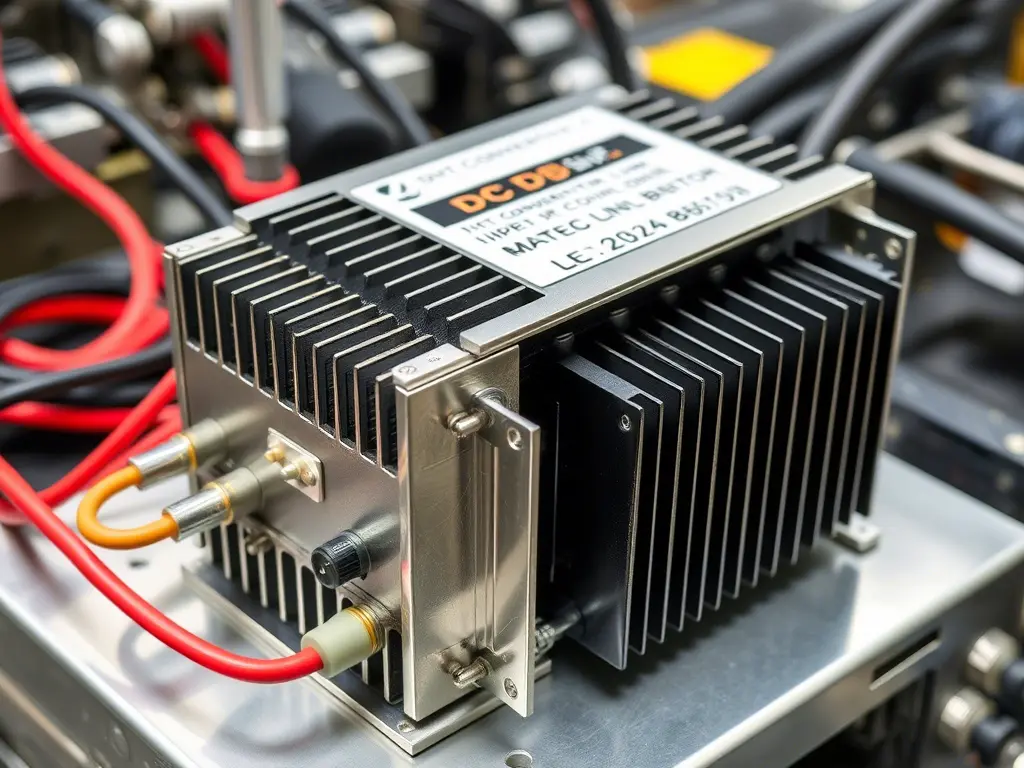
DC/DC converter (brake chopper) integrated with a liquid-cooled brake resistor is a system designed for efficient energy management in applications such as electric drives, regenerative braking systems, or energy storage systems. Here’s an overview of its components and functionality: Components
DC/DC Converter (Brake Chopper):
Converts the DC voltage generated during regenerative braking into a suitable form for the brake resistor. It controls the energy flow, ensuring that excess energy from the motor is safely dissipated.
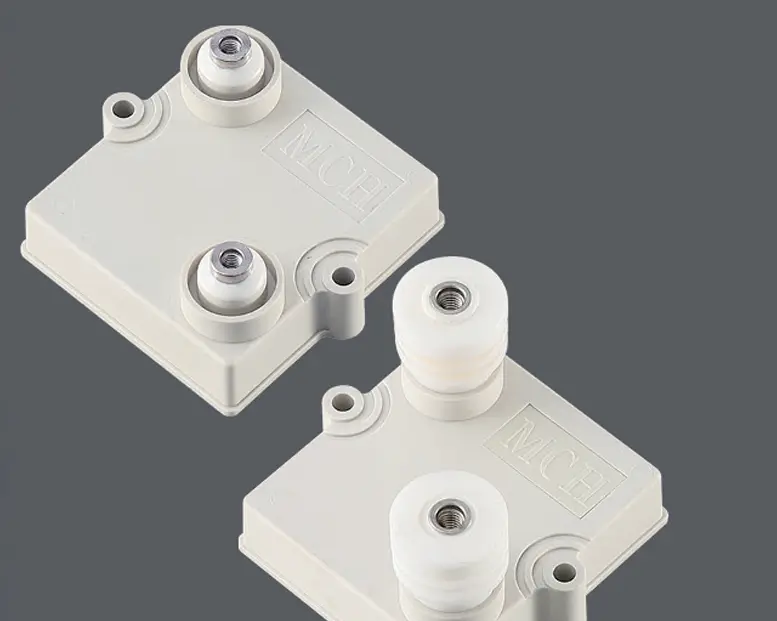
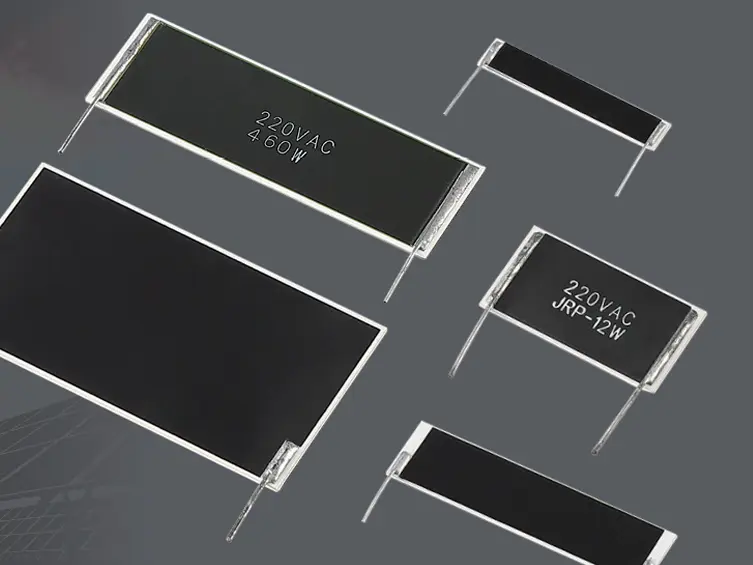
Brake Resistor:
A resistive element that dissipates excess energy as heat. Integrated with liquid cooling to manage thermal performance and maintain efficiency during operation.
Liquid Cooling System:
Uses a coolant (often water or a water-glycol mixture) to absorb heat from the brake resistor. Enhances the thermal management of the system, allowing for higher power dissipation without overheating.
Functionality
Regenerative Braking: In electric vehicles or industrial drives, when the motor operates in reverse (during braking), it generates electrical energy. The brake chopper manages this energy, preventing voltage spikes and ensuring safe operation.
Energy Dissipation: The brake chopper directs the regenerative energy to the brake resistor, where it is converted into heat. The liquid cooling system helps maintain optimal operating temperatures, extending the lifespan of the components and improving reliability.
Efficiency: By integrating the brake chopper and liquid-cooled resistor, the system can achieve higher efficiency and better performance compared to air-cooled resistors, especially in high-power applications.
Applications
Electric and hybrid vehicles Industrial machinery with regenerative braking capabilities Renewable energy systems (e.g., wind turbines, solar inverters) Any system requiring effective energy management and thermal control during braking.
In summary, a DC/DC converter integrated with a liquid-cooled brake resistor provides a compact, efficient solution for managing regenerative braking energy, enhancing system performance, and ensuring safety.