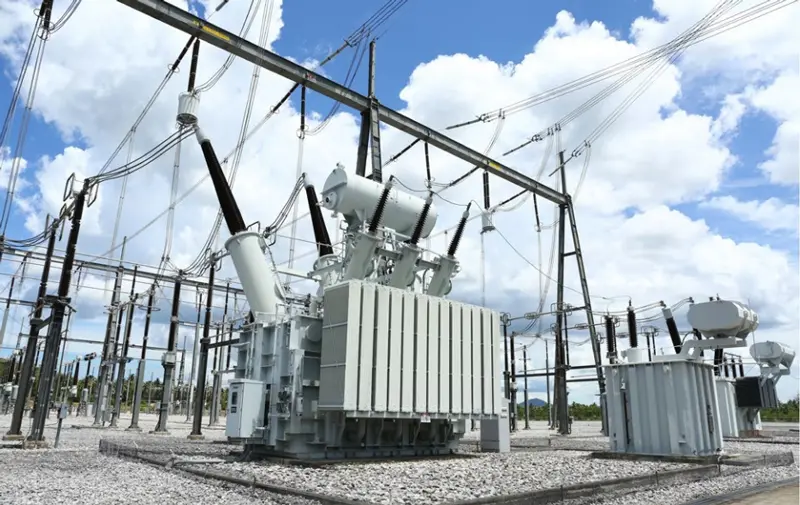
According to the different types of power systems, circuit breakers can be classified into various types; however, their common function is to “reliably and quickly open and close contacts under the influence of system voltage.”
Circuit breakers are operated by mechanical mechanisms such as hydraulic devices to perform the opening operation, typically disconnecting contacts at high speed within a short time of approximately 10 ms, usually within the range of 5 ms to 15 ms. After addressing any faults, they also need to perform a closing action, connecting the contacts within a short period of a few hundred milliseconds to several seconds to minimize transmission downtime and maintain the power system. Regularly checking the operating time of such switches is one of the very important test items, as it is essential to ensure reliable and efficient measurements can be conducted on-site.
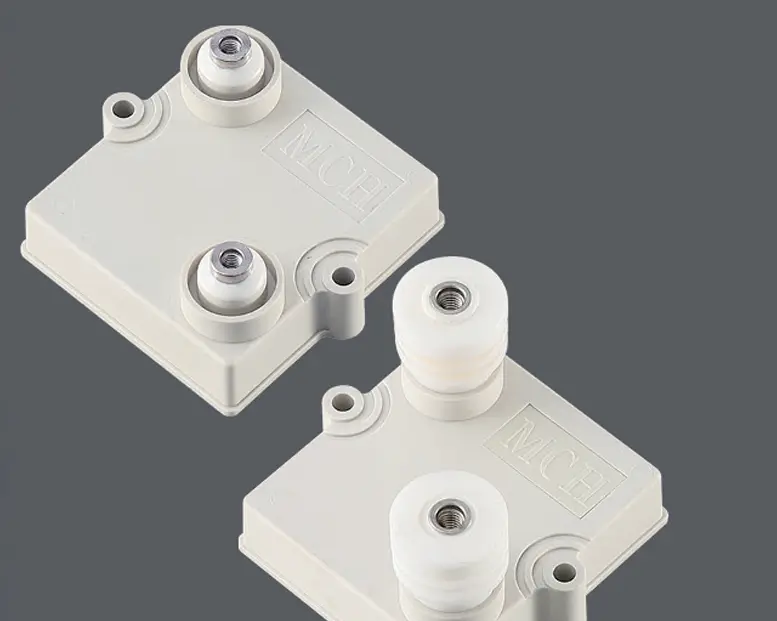
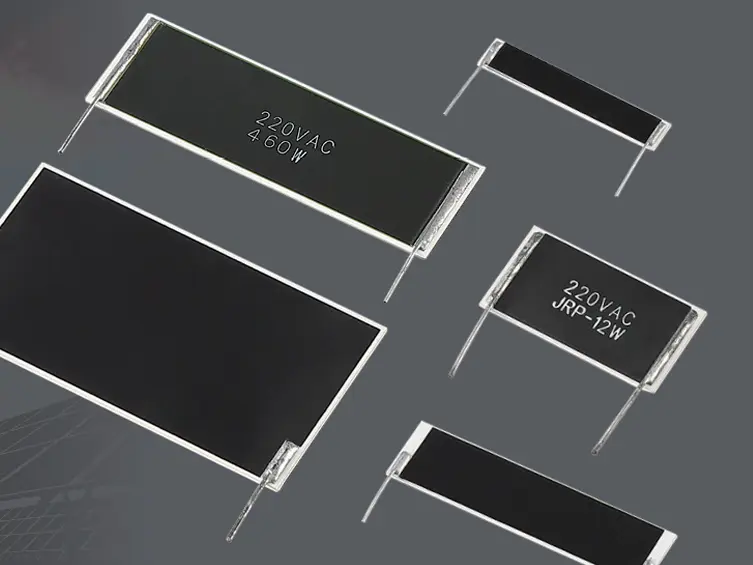
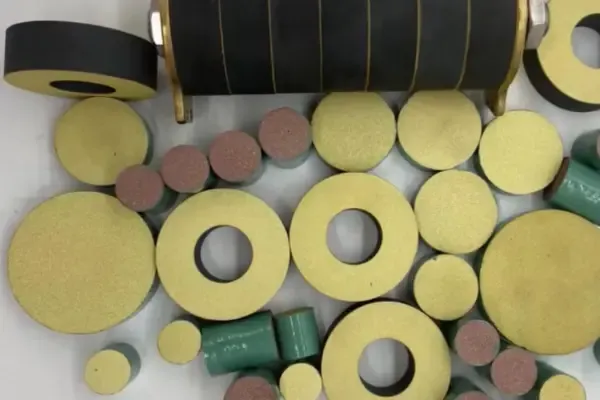
Carbon ceramic composite resistors have gained popularity in high-voltage circuit breakers due to their unique properties and advantages. Here’s an analysis of their characteristics, benefits, and specific case examples: Advantages and Characteristics
High Thermal Stability: Carbon ceramic composite resistors can withstand high temperatures without significant degradation. This thermal stability is crucial in high-voltage applications where heat generation can be substantial.
High Voltage Resistance: These resistors are designed to handle high voltage levels, making them suitable for circuit breakers that need to interrupt large currents safely.
Low Temperature Coefficient: Carbon ceramic materials exhibit a low temperature coefficient of resistance, ensuring that their performance remains stable across a wide range of temperatures.
High Energy Absorption: The composite structure allows these resistors to absorb and dissipate energy efficiently, which is essential during fault conditions in circuit breakers.
Mechanical Strength: The ceramic component provides excellent mechanical strength, making these resistors durable and resistant to physical stress and environmental factors.
Corrosion Resistance: Carbon ceramic composites are resistant to various chemical and environmental conditions, enhancing their longevity and reliability in different applications.
Customization: Manufacturers can tailor the composition and structure of carbon ceramic composite resistors to meet specific application requirements, optimizing performance for particular high-voltage scenarios.
Specific Case Examples
High-Voltage Circuit Breakers in Power Plants: In power generation facilities, carbon ceramic composite resistors are used in circuit breakers to manage fault currents. For instance, during a short circuit, these resistors can absorb the excess energy, preventing damage to the circuit breaker and ensuring safe operation.
Renewable Energy Systems: In solar and wind energy systems, high-voltage circuit breakers equipped with carbon ceramic composite resistors help manage the electrical load and protect against overcurrent conditions. Their high energy absorption capabilities are particularly beneficial during rapid load changes.
Electric Traction Systems: In electric railways, carbon ceramic composite resistors are employed in circuit breakers to protect against overcurrent and short circuits. Their ability to withstand high temperatures and mechanical stress makes them ideal for the demanding environment of rail systems.
Industrial Applications: In heavy machinery and industrial automation, circuit breakers with carbon ceramic composite resistors provide reliable protection against electrical faults. Their durability and resistance to harsh conditions ensure consistent performance in manufacturing settings.
Conclusion Carbon ceramic composite resistors offer significant advantages for high-voltage circuit breakers, including thermal stability, high voltage resistance, and mechanical strength. Their application across various industries demonstrates their effectiveness in ensuring safety and reliability in electrical systems. As technology advances, the use of these materials is likely to expand, further enhancing the performance of high-voltage equipment.